

+20 jaar verkoop en plaatsing van kunstgras


Productie binnen EU

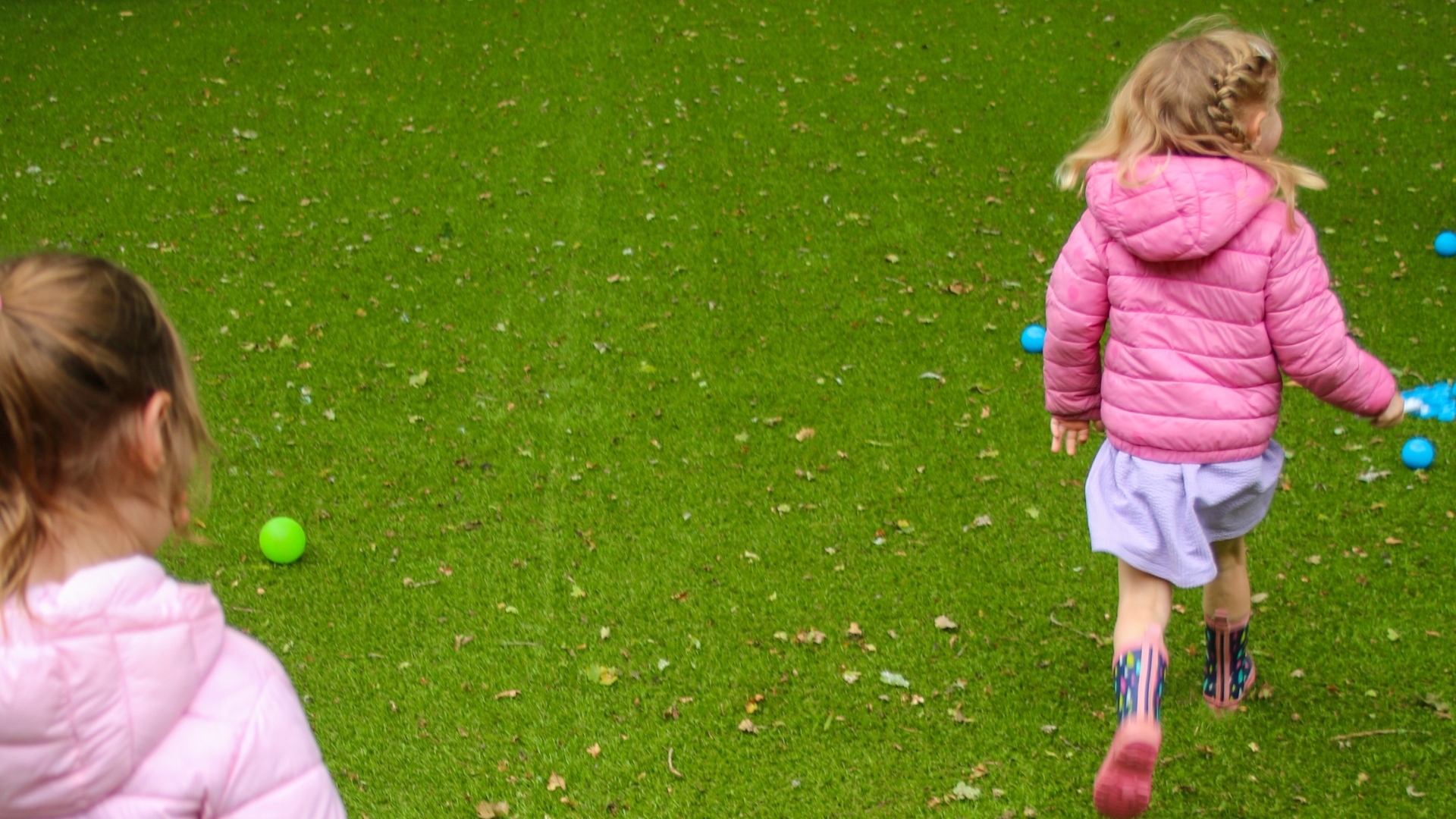
Kind-&
Huisdiervriendelijk

+20 jaar ervaring

Eigen installatieteam

Hoogste kwaliteit
Onze producten
Laat je aangenaam verrassen door de natuurlijke uitstraling van onze producten.

Kunstgras
Een prachtig groen gazon

Kunsthaag
Altijd groen en weinig onderhoud

Accessoires
Installatiematerialen
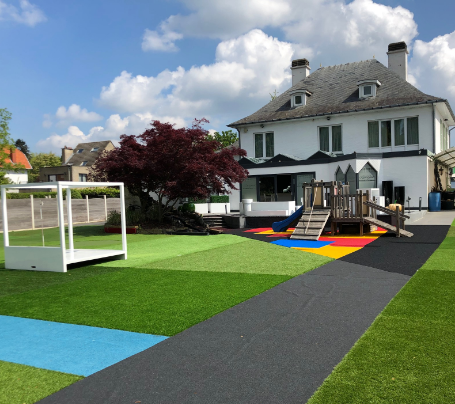
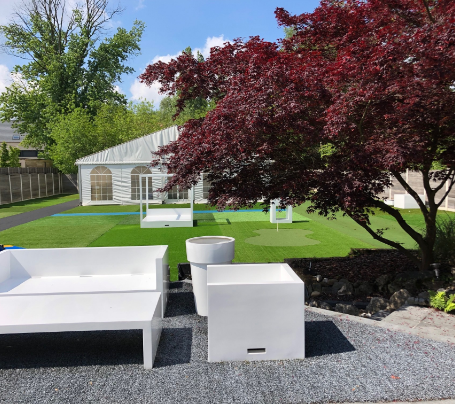
Bezoek onze grote showtuin!
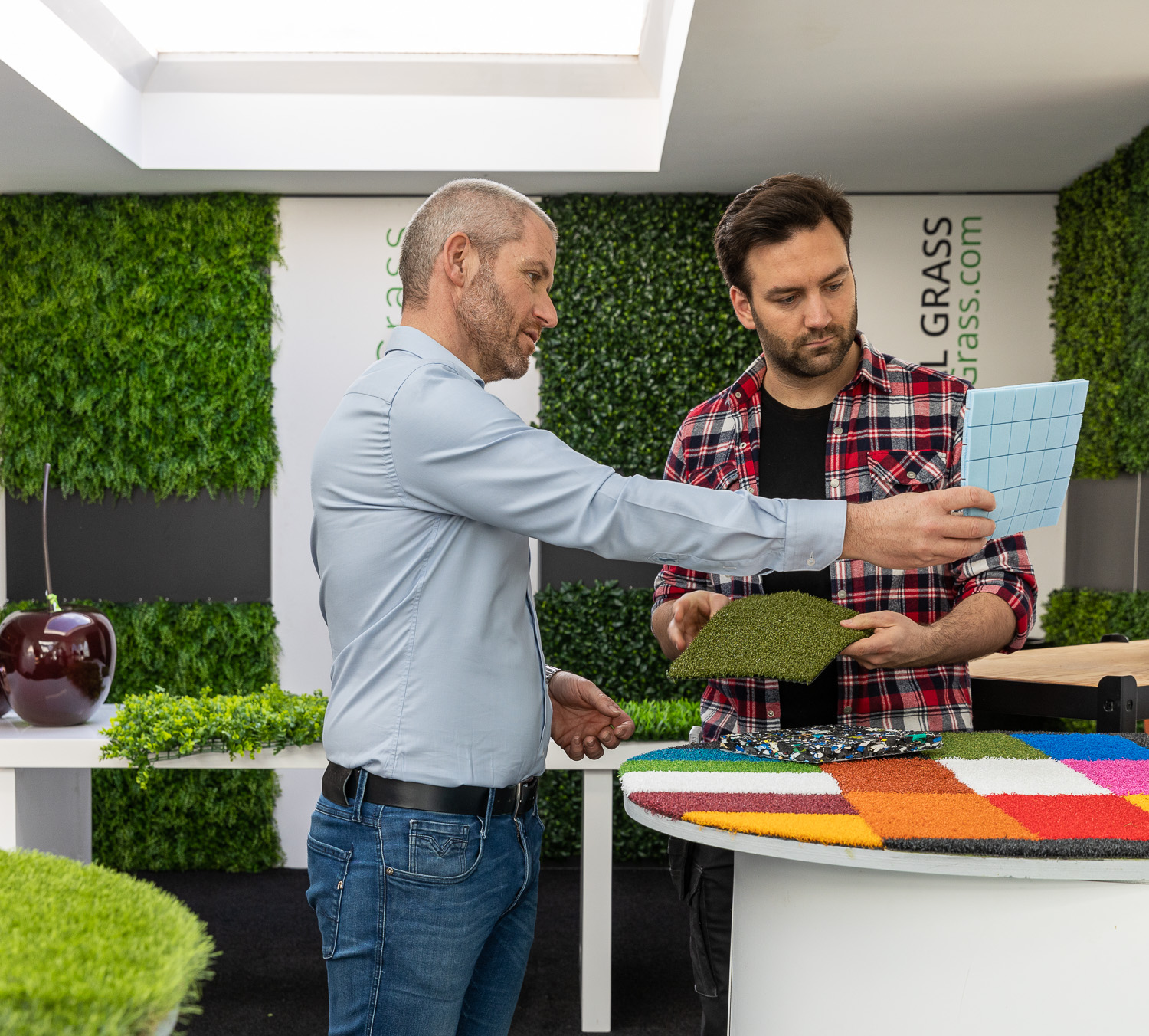
Onze adviseurs begeleiden je graag met passend advies, een offerte op maat en grote stalen van je favoriete kunstgrassen. Zo maak jij bij jouw thuis de juiste keuze!
Selecteer jouw land:
Locatie
Kapelsesteenweg 493
2180 Ekeren
België
+32 (0)3 290 35 93

Uren
Ma-Vr 10:00 - 18:00
Za 10:00 - 17:00

Locatie
Himmelgeister 45
40225 Düsseldorf
+49 211 15 81 88 75

Uren
Ma-Vr 10:00 - 18:00
Za 10:00 - 17:00
Locatie
Erdberger Lände 26
1030 Wenen
+43 1 361 55 46

Uren
Ma-Vr 10:00 - 18:00
Za 10:00 - 17:00
Locatie
21 Rue Jean Rostand
91400 Orsay
+31(0)6 62 47 27 69

Uren
Ma-Vr 10:00 - 18:00
Za 10:00 - 17:00
Locatie
Stockera 1
3186 DÜDINGEN
+41264883333

Uren
Ma-Vr 10:00 - 18:00
Za 10:00 - 17:00

Onze klanten hun ervaring
Ongeacht de aankoop en plaatsing door onze tuinman zal gebeuren, nam men tijd om ons ruimschoots te informeren over alle mogelijkheden en soorten. Mooie uitstalling buiten van alle soorten. Zonder probleem een staal meegekregen. Aanrader om zeker te passeren als je over kunstgras denkt. Zeer vriendelijke ontvangst. Goede kennis van het product.
Rita De Waegeneer
.svg)
ben heel tevreden over het ontvangst op Resigrass en het contact nadien.
Rudy Neys
.svg)
Zéér vriendelijke ontvangst, gevolgd door een goede, professionele uitleg en veel keuze uit verschillende soorten kunstgras. Dit zijn echte vakmensen die weten waarover ze spreken. Perfecte service voor een prima prijs! Doe zo verder ! Dit bedrijf is een echte aanrader als je op zoek bent naar kunstgras !
Philippe Keymeulen
Attente, uitstekende en professionele service met duidelijk en nauwkeurig advies en uitleg! De keuze is ook gemaakt met blote voeten in de buitenshowroom! We gebruikten een koerier voorgesteld door het team omdat onze aankoop (snel 😉) niet in de auto paste 😄We raden deze winkel aan!
Frank Van de Wiel
Perfecte service en een zeer klare objectieve uitleg over mogelijkheden, pro's en con's.
Ronny Vermeulen
Wij zijn tevreden over het kunstgras hebben het zelf geplaatst en dat viel redelijk mee enkel in de begin het snijden ging wat moeilijk voor de rest alles ok!
Valerie V.
Er was voldoende keuze in de winkel en de tuin van kunstgras. Ik ben enorm goed geholpen geweest met informatie omtrent mijn gebruik voor het kunstgras. Bij mijn andere vragen kreeg ik ook zeer goede informatie en antwoorden. Ben heel tevreden.
Eddy
Sinds vorige week siert een mooi stuk kunstgras onze tuin. Dank zij de deskundige uitleg die we bij jullie kregen is de plaatsing zonder problemen verlopen en wijst het gras in de juiste richting. Het resultaat is dan ook fantastisch. Nogmaals bedankt voor de goede service en afhandeling
Anne
We zijn zeer tevreden over het resultaat. De plaatsingsdienst was zeer professioneel, vriendelijk en snel, top ploeg! We kregen positieve reacties, sommigen zagen niet dat het kunstgras was en onze hond ligt graag op het gras en graaft niet :-)
Niet alleen ben ik tevreden over het aangekochte artikel, maar ook jullie service en vriendelijkheid kan ik erg waarderen... Ik had redelijk kort dag een probleem, waar jullie me erg goed bij hebben geholpen! Ik kan jullie alleen maar aanbevelen!
Onze producten worden al gewaardeerd door